It happened on the eighth day of the eighth month almost eight hundred years ago.

The troops of the Crown of Aragon broke through walls that seemed impassable and surrendered the acropolis. The Muslim period was over and the Christian period began:
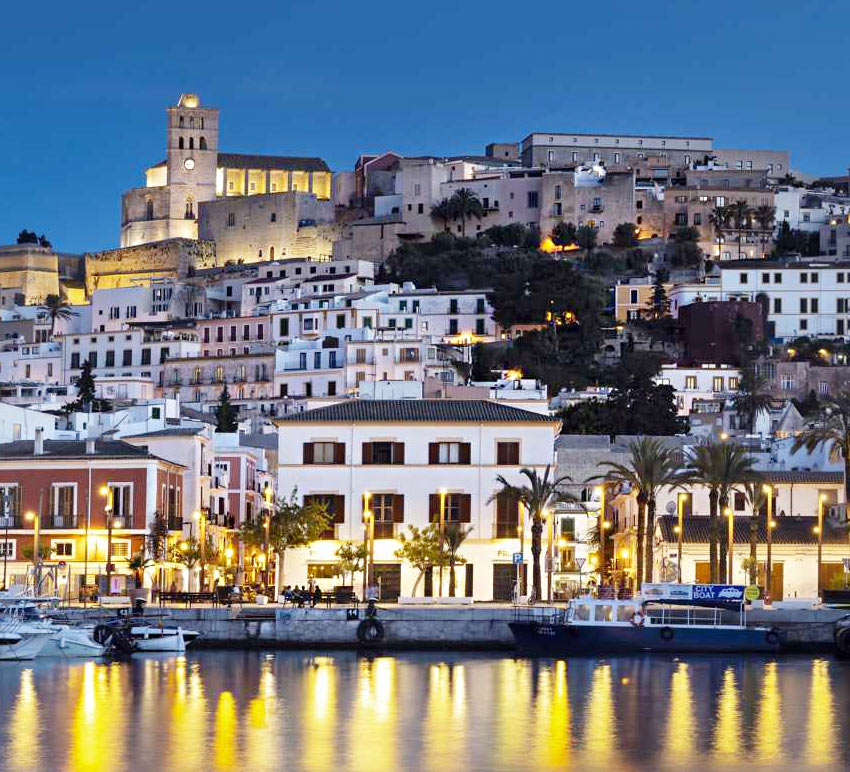
Yabisah would begin to be called Eivissa. It is this military triumph, very important to understand the subsequent history of the island, which explains that every August 8 is synonymous with celebration, joy and fireworks in our city.

It happened on the eighth day of the eighth month almost eight hundred years ago.

The troops of the Crown of Aragon broke through walls that seemed impassable and surrendered the acropolis. The Muslim period was over and the Christian period began:
Yabisah would begin to be called Eivissa. It is this military triumph, very important to understand the subsequent history of the island, which explains that every August 8 is synonymous with celebration, joy and fireworks in our city.

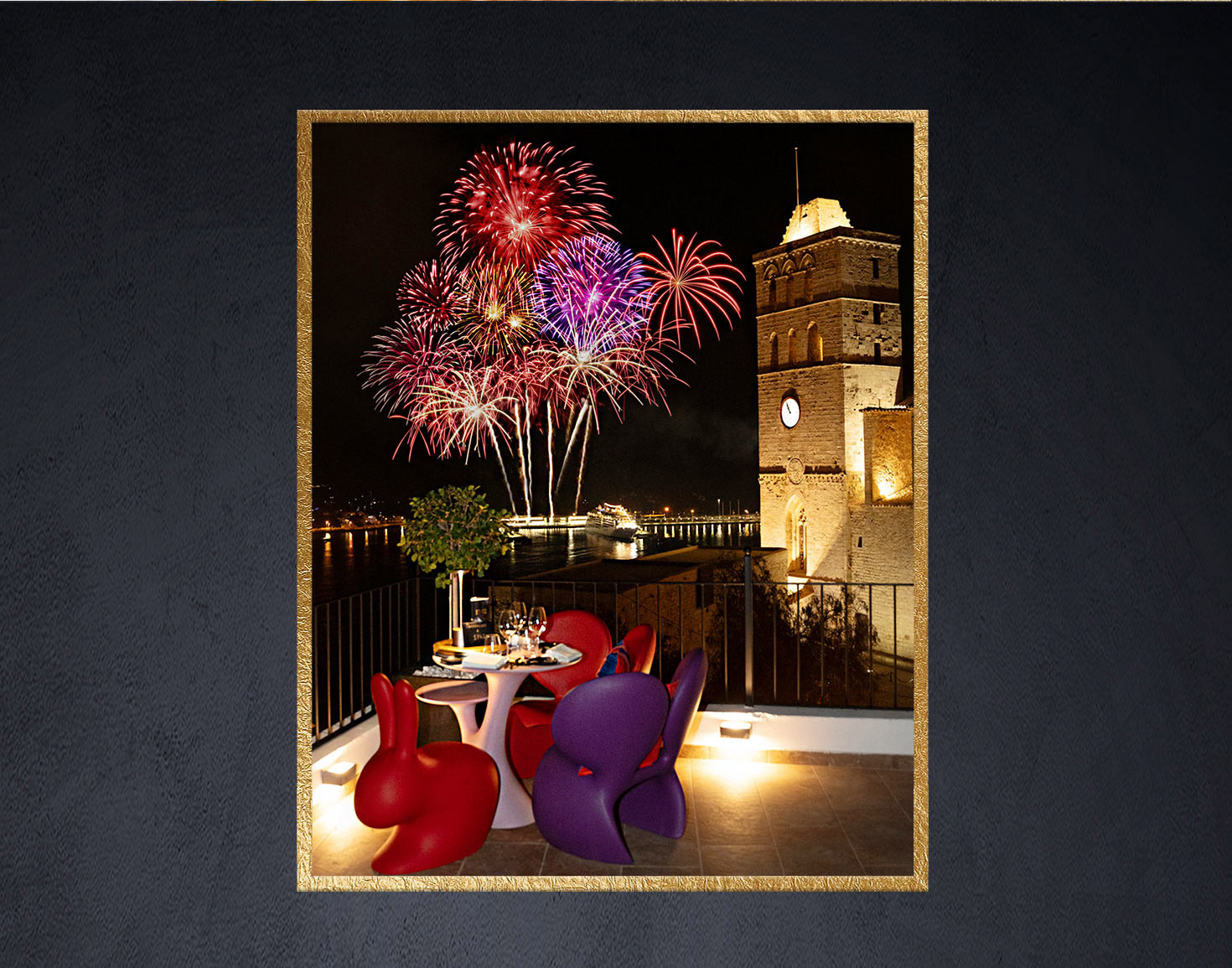
The festivity is marked in red in the summer agenda of any pro Ibicenco. The day begins with the mass in honor of San Ciriaco, the patron saint of the city; continues with the floral offering on the tomb of Guillem de Montgrí, the warrior bishop who captained the army of Catalans who conquered Ibiza; and ends with the castle of gunpowder and light that thunders and lights up the sky of Dalt Vila, sa Penya and the Marina. The pyrotechnics illuminate the neighborhoods that Unesco listed as a World Heritage Site. The show is magnificent and the perfect place to contemplate it is the terrace of 1742.
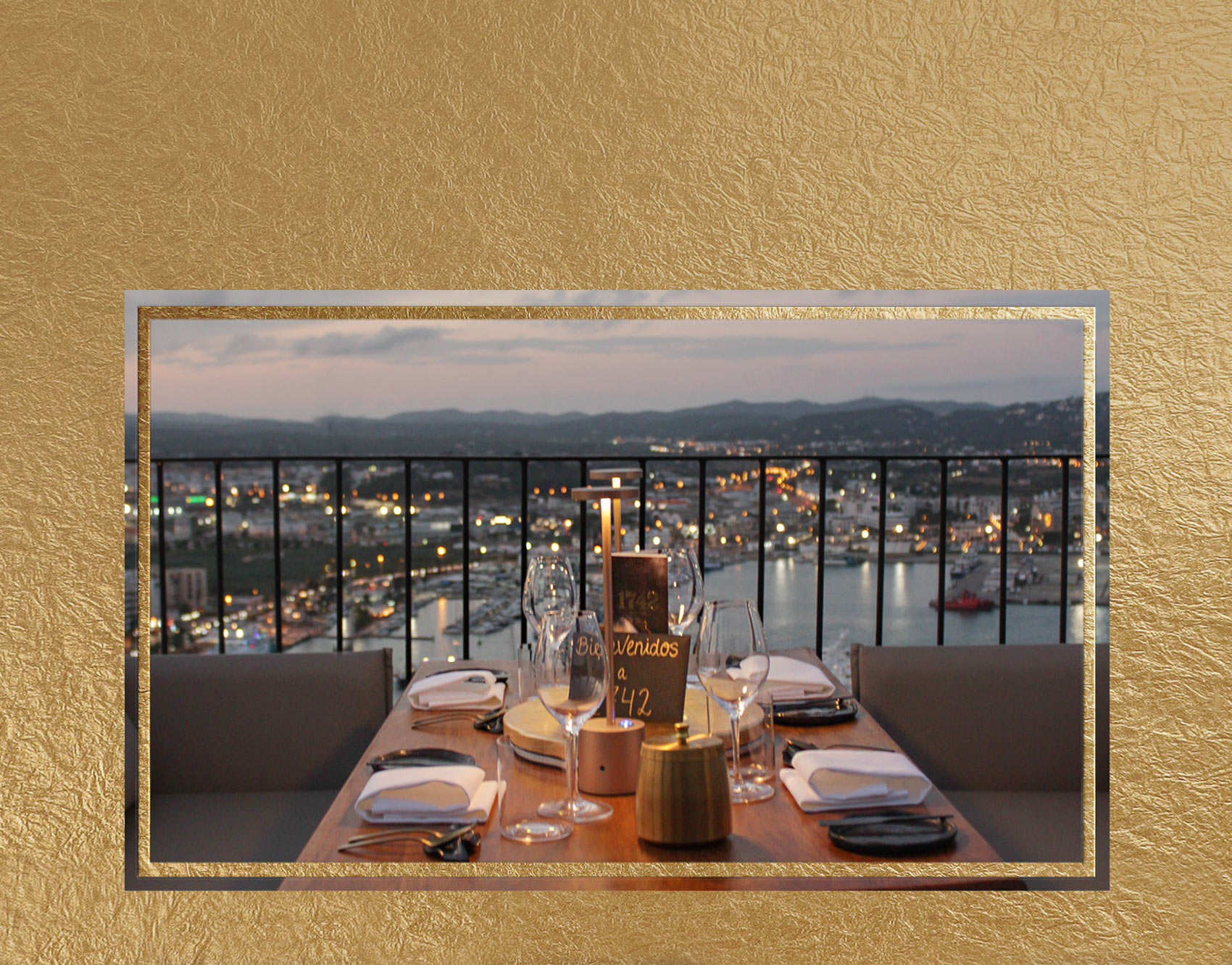
The roof of the 1742 dazzles all the hearts that have been rocked by the breeze that, up there, caresses the face when the summer heat hides behind the horizon.
The highest part of the oldest manor house in Dalt Vila has a particular influence.
The roof of the Palau Bardají dazzles all the hearts that have been rocked by the breeze that, up there, caresses the face when the summer heat hides behind the horizon.
The highest part of the oldest manor house in Dalt Vila has a particular influence.